
TUSI services | Organization
Internal branding and organizational culture
Internal branding helps employees understand and embrace what the brand means, so that what the organization promises outside shows up in people’s everyday behavior. TUSI designs and embeds organizational culture and internal branding programs, such as the codes of conduct for Faragir Salamat.

A brand is built from the inside
Customers experience a brand through its people. If employees don’t know what the brand means, or don’t believe it, even the finest identity fails at the first real encounter.
For Faragir Salamat, alongside the brand design, we defined codes of conduct for the organization’s culture to make clear how people should behave inside it. TUSI sees designing and embedding organizational culture as a natural part of corporate branding.
Belief
Employees need to know what the brand says and why it matters to them.
Behavior
Values have to become specific, visible behaviors.
Belonging
The employer brand should give people reasons to stay and to be proud.
What we do
Understanding today’s culture
Reviewing beliefs and behaviors, and how far they are from the brand.
Codes of conduct
Turning values into specific behaviors across the organization.
Employer brand
Defining the organization’s message and experience as a place to work.
Internal communications
A program to introduce the brand, and change, to employees.
Workshops and training
Brand sessions for managers and teams.
Internal touchpoints
ID cards, spaces and the organization’s internal items.
“In a brand project, the CEO’s most important audience is not outside the organization but inside it.”
When you need this
After a new brand or a rebrand
Employees need to know the brand before customers do.
A merger or restructuring
Different cultures need to arrive at one shared language.
A gap between promise and experience
Employee behavior doesn’t match the brand’s message.
Competing for talent
The organization needs to present itself as a distinctive employer.
How we work
Understand
Talk with leaders and employees and review the current culture.
Define
Write the values, behaviors and internal messages.
Design the experience
Design programs and internal touchpoints.
Embed
Roll out and support the organization’s teams over time.
Selected work
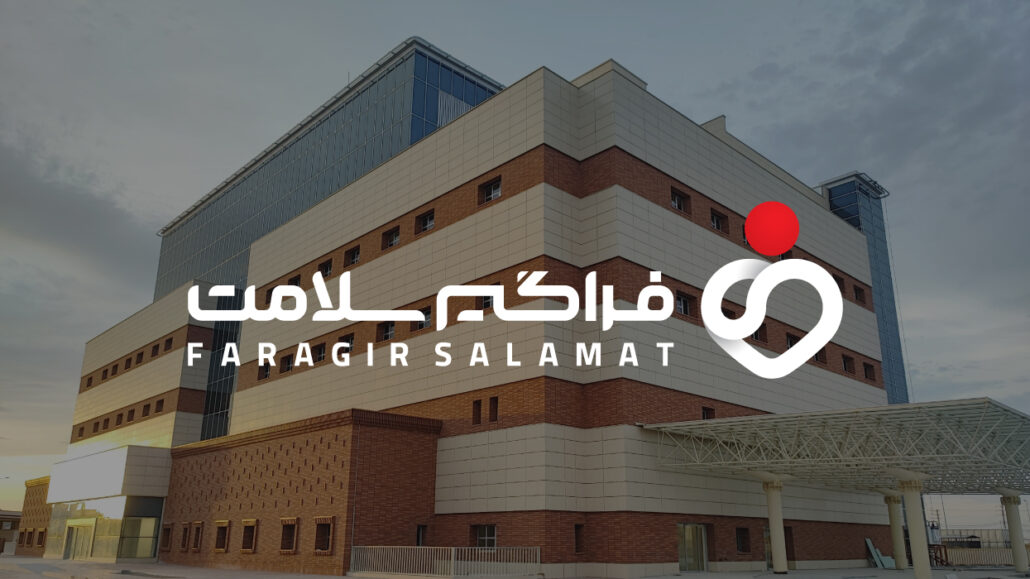
Faragir Salamat (Gol-e-Gohar)
Brand and identity for the organization that manages Fatemeh Zahra specialist hospital, with codes of conduct for its culture.
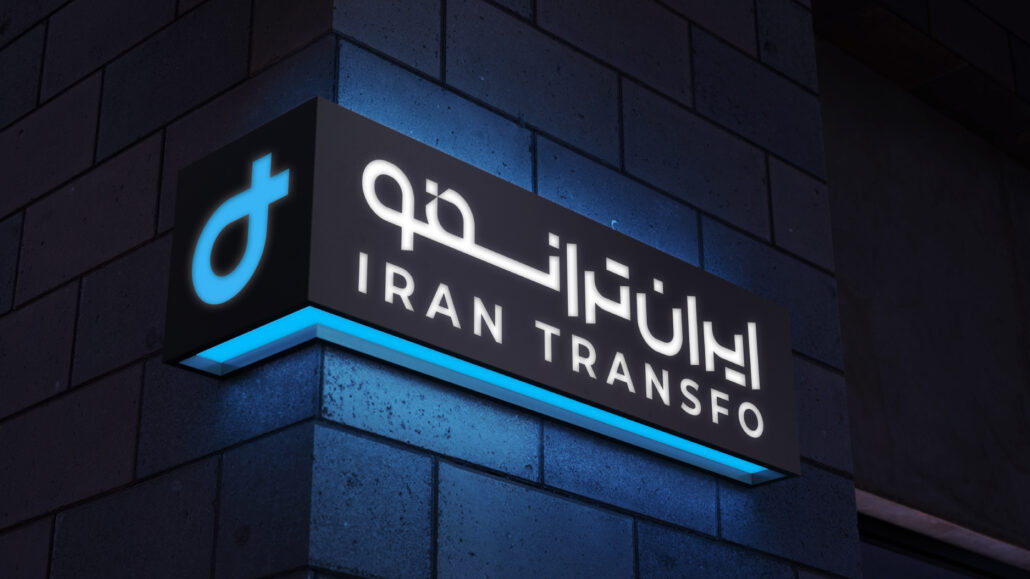
Iran Transfo Group
Rebranding an industrial group with 15 affiliated companies and a presence in global markets.
Tadbir Economic Development Group
Brand renewal for a holding group with around 100 subsidiaries in energy, telecoms, pharmaceuticals and industry, with a focus on brand architecture and portfolio.
Frequently asked questions
How is internal branding different from employee training?
Training transfers knowledge; internal branding builds belief and behavior. Training can be part of the program, but the program is more than training.
What is an employer brand?
The image the organization holds as a place to work in the minds of current and future employees: the answer to “why should I work here, and why should I stay?”
Can organizational culture be designed?
Culture isn’t built overnight, but the values and behaviors you want can be made clear and reinforced through regular programs. This needs the commitment of senior leadership.
How are fees for internal branding set?
Fees are set after the discovery meeting and confirmed in the proposal. They depend on the scope of work, the size of the organization, the number of deliverables and the timeline.
Why TUSI for internal branding?
TUSI’s interdisciplinary approach, with sociologists, strategists and designers working together, treats culture and brand as one subject, as in the Faragir Salamat project.
Related services
How do your employees tell your organization’s brand story?
In an introductory meeting, we review your organization’s brand together and map out a recommended path.