At a glance
- City branding builds and manages how a city is perceived by residents, visitors, investors and talent; a logo is only one of its tools.
- A city brand should tell the truth of the city, not an advertising slogan.
- Success depends on residents’ participation and on lasting beyond political cycles.
- Dynamic logos have become common for cities, because a city is many-sided and always changing.
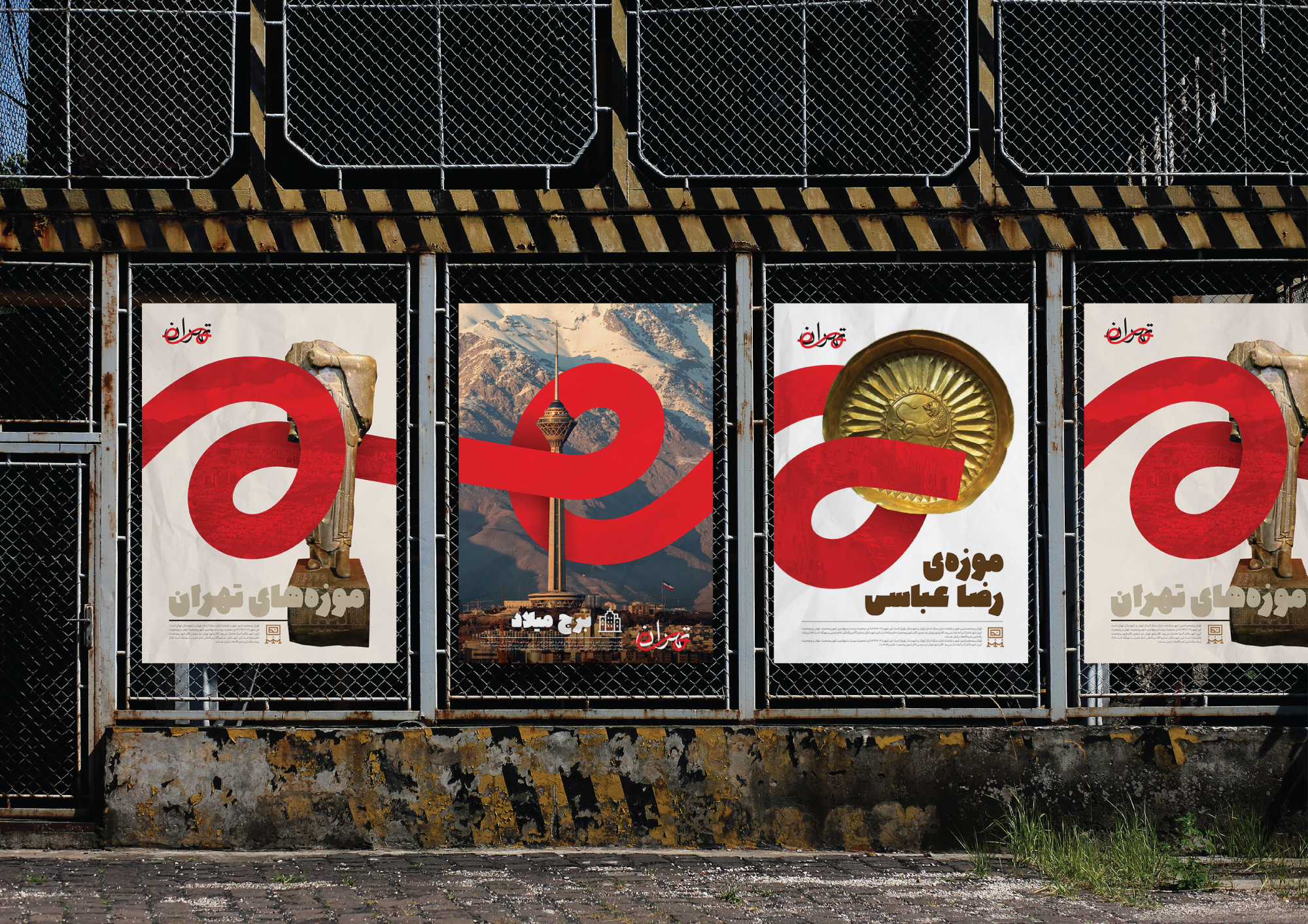
- TUSI designed the Tehran city brand identity for Tehran Municipality and in 2023 signed a city branding memorandum with the Asian Mayors Forum (AMF).
What is city branding?
City branding is the strategic process of shaping how different groups perceive a city: residents who live there, visitors who come to see it, investors who do business there and talented people who choose it to live and work. A city brand is ultimately built from the real experience of the city; city branding tries to understand that experience, strengthen it and tell its story. It is often discussed under the wider term place branding.
City brand, city logo and city marketing
| Concept | Definition | Common mistake |
|---|---|---|
| City brand | The overall perception and narrative of the city in people’s minds | Treating it as the logo |
| Visual identity | The logo, color and imagery that express the brand | Designing a logo without strategy or narrative |
| City marketing | Campaigns and activities to attract visitors and investment | Using it as a substitute for branding |
Why cities need branding
- Competition between cities for visitors, investment, events and skilled people.
- Civic identity: a city brand can strengthen residents’ sense of belonging and pride.
- Coherent communications: city bodies, from the municipality to cultural and tourism organizations, speak with one language and identity.
- Narrative over cliché: a chance to base the city’s image on its truth and potential instead of stereotypes.
City brand stakeholders
Unlike a company brand, a city brand has no single owner. The main stakeholders are:
- City government: the municipality and city council as leaders and custodians of the brand;
- Residents: the most important ambassadors and judges of the brand;
- Cultural, tourism and economic institutions: museums, chambers of commerce, universities and tourism operators;
- Businesses and investors;
- Media and the city’s creative community.
The stages of city branding
1. Understanding the city
Research into history, culture, social structure, economy and current perceptions among different groups, through stakeholder interviews, resident surveys and media analysis.
2. Discovering the city’s narrative
Finding the “truth” that sets the city apart from others and in which every group can see itself.
3. City brand strategy
Defining position, values, personality and key messages for each audience. See brand strategy.
4. Visual and verbal identity
Designing the logo, visual system and narrative language, usable by many different institutions. See visual identity.
5. Participation and launch
Introducing the brand to residents and city institutions before outside audiences, and inviting them to use it and take part.
6. Governance and continuity
A responsible body, a brand book, a licensing process for organizations and businesses, and a mechanism that keeps the brand independent of changes in city leadership.
Common city branding mistakes
- Reducing the city brand to a logo, often through a logo competition without strategy.
- Slogans instead of truth: a narrative that does not match what residents and visitors actually experience.
- Ignoring residents: a brand in which residents cannot see themselves does not last.
- Politicizing the brand: tying it to one administration, so it is dropped when leaders change.
- No governance: scattered, unregulated use of the city’s logo by different institutions.
Well-known global examples
- I ❤ NY (New York): designed by Milton Glaser in 1977, it became one of the most enduring city symbols in the world.
- I amsterdam (Amsterdam): launched in 2004 and built on residents’ participation; its large letters were for years one of the city’s most visited spots.
- Melbourne: the dynamic “M” introduced in 2009 changes color and pattern to show the city’s many sides.
What they share: each is more than a logo and rests on a clear idea about the city and its relationship with its people.
City branding in Iran
Iranian cities have rare cultural, historical and human assets for branding, with some particular considerations:
- Historical and cultural layers: the brand must balance heritage with contemporary city life.
- Many institutions: coordination between the municipality, cultural and tourism bodies and national institutions.
- Continuity: mechanisms that keep the brand beyond administrative cycles.
- International audiences: a Latin-script version of the narrative and identity for foreign visitors and investors.
TUSI’s experience: the Tehran city brand identity
TUSI designed the Tehran city brand identity for Tehran Municipality. The search began for a single symbol, but choosing any one symbol limited the city’s inclusive, unified outlook and left part of its audience out. The result was a dynamic mark: a soft, twisting line that portrays the spirit of solidarity and interaction flowing through the city, reminds visitors of Iranian hospitality, and can change its color, weight and stretch to suit each use.
In 2023 TUSI also signed a memorandum of understanding on city branding and city narrative with the Asian Mayors Forum (AMF). Earlier, TUSI designed the visual identity of Iran’s World Heritage Sites for the cultural heritage organization. See TUSI’s city branding service.
Frequently asked questions about city branding
What is city branding?
City branding is the strategic process of shaping how a city is perceived by residents, visitors, investors and talent. It covers the city’s strategy and narrative, visual identity, stakeholder participation and brand governance.
What is the difference between a city brand and a city logo?
The logo is part of the city’s visual identity; the city brand is the overall perception and narrative of the city, built from real experience, communications and the behavior of city institutions.
Who designed the Tehran city brand identity?
TUSI Brand Agency designed it for Tehran Municipality: a dynamic mark with a soft, twisting line that portrays the city’s spirit of solidarity and interaction.
Why do many cities use dynamic logos?
Because a city is many-sided and always changing; a dynamic logo keeps one fixed idea while changing color and form for different uses and audiences.
How can a city brand last?
By involving residents from the start, appointing a responsible body with a brand book, and creating a mechanism that keeps the brand independent of changes in city leadership.
Talk to TUSI about your organization’s brand. TUSI Brand Agency has worked with Iran’s largest organizations, holdings and public institutions since 2013. Request an introductory meeting · TUSI branding services